


Prime Minister inspects the new Liver Transplant Center at Mansoura University
- Hits: 17
 As part of his tour today in Dakahlia Governorate:
Prime Minister inspects the new Liver Transplant Center at Mansoura University
Madbouly: This national medical facility is one of the most important major national medical projects aimed at developing specialized health services in Egypt and enhancing Mansoura University's standing in liver transplantation regionally and internationally.
Qansouh: The center represents a strategic addition to the healthcare and medical education system in Egypt and supports the country's capabilities in a precise medical specialty. Its implementation reflects a model of integration between state institutions, the university, the banking sector, and civil society.
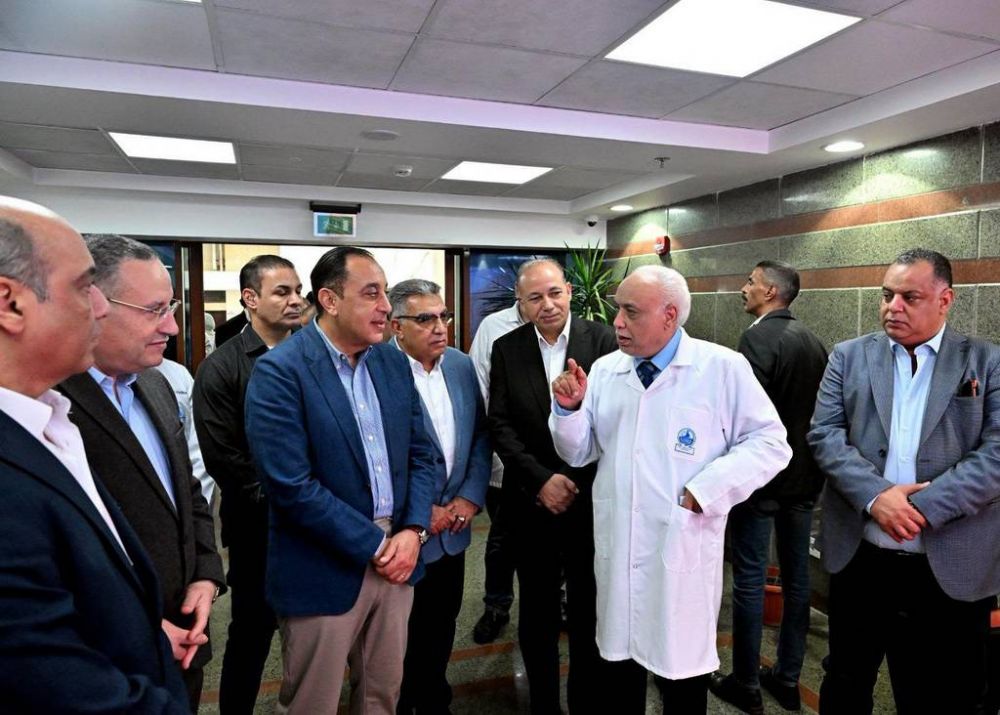
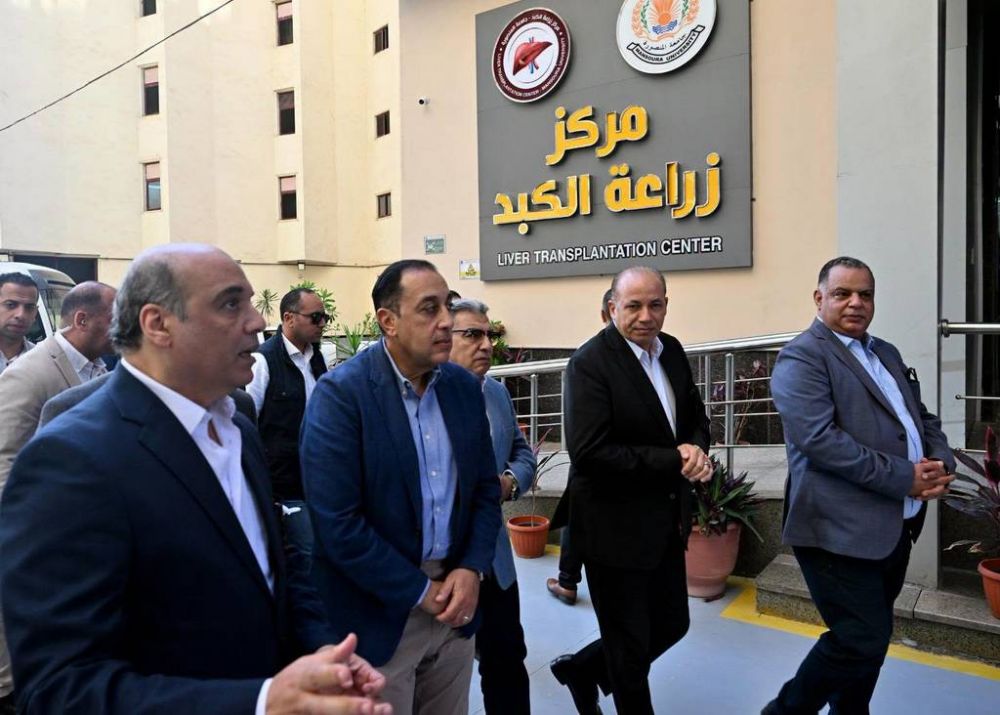
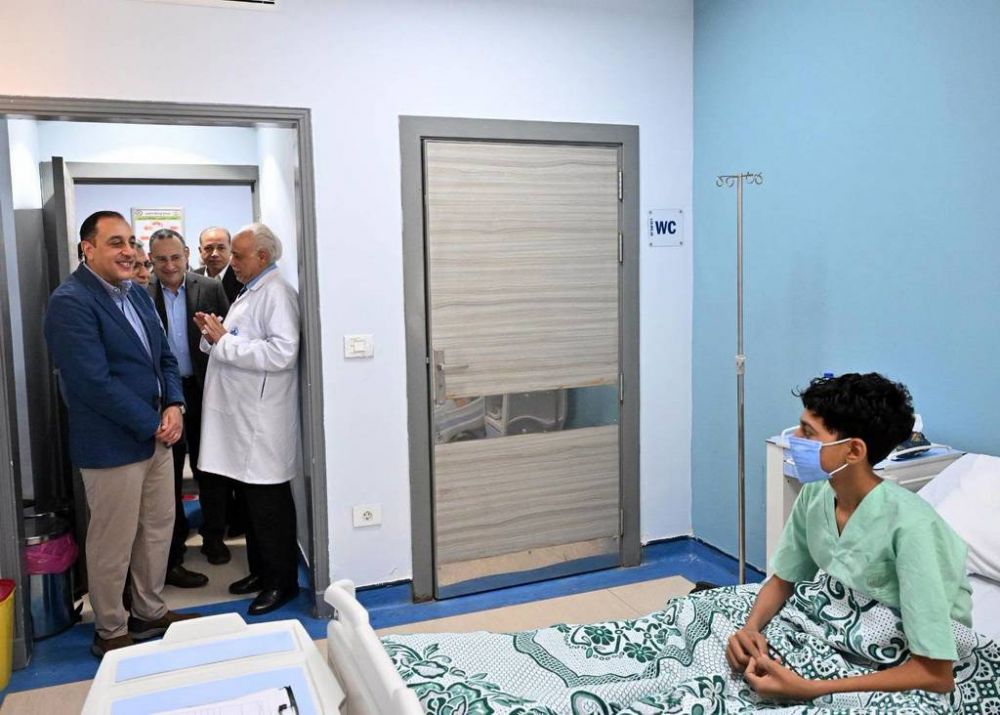
As part of his tour today in Dakahlia Governorate, Prof. Mostafa Madbouly, Prime Minister, and his entourage inspected the new Liver Transplant Center at Mansoura University. During the inspection, the Prime Minister expressed his pleasure at being present today at this national medical facility, which enhances Mansoura University's standing in liver transplantation regionally and internationally. He considered the center one of the most important major national medical projects aimed at developing specialized health services in Egypt and enhancing the capabilities of university hospitals in providing advanced treatment services in the field of liver transplantation.
Prof. Abdel Aziz Qansouh, Minister of Higher Education and Scientific Research, emphasized; The Acting Minister of Culture stated that the new Liver Transplant Center at Mansoura University represents a strategic addition to the healthcare and medical education system in Egypt. It bolsters the country's capabilities in a highly specialized medical field and enhances Mansoura University's standing as a leading regional center for liver transplantation. Furthermore, it supports medical tourism and facilitates the reception of patients from Arab and African countries.
The Minister of Higher Education and Scientific Research also affirmed that the implementation of this project came in light of directives from the political leadership, through a strategic partnership with the Central Bank of Egypt, and with the participation of several government agencies and supporting institutions. Community efforts also contributed to the establishment of a specialized and comprehensive liver transplant center, reflecting a model of integration between state institutions, the university, the banking sector, and civil society.
Prof. Abdel Aziz Qansouh added that this new facility is the largest specialized medical center of its kind in the Middle East and Africa, serving as a fully integrated, independent center. It contributes to the development of specialized medical personnel and the advancement of scientific research and innovation, aligning with the goals of Egypt's Vision 2030 and the National Strategy for Higher Education and Scientific Research. It also enhances the integration of treatment services with educational, training, and scientific research pathways.
Prof. Cherif Khater, President of Mansoura University, affirmed that this center represents a qualitative addition to the medical sector at Mansoura University, which serves approximately two million patients annually through 14 hospitals and medical centers. It provides services to residents of Dakahlia Governorate, the Delta governorates, and various parts of the country. The center aims to eliminate waiting lists for patients with liver failure, cirrhosis, and primary liver tumors from across Egypt, and to accommodate a larger number of patients from Arab and African countries. Furthermore, it will train medical personnel in liver transplantation techniques and transfer specialized expertise to diverse medical institutions in the region. He explained that this new facility was realized after the political leadership adopted the project in 2021, and it was inaugurated at the end of 2024. The Central Bank of Egypt participated as a strategic partner in the project, supporting medical and non-medical equipment and information technology devices. The National Investment Bank and the Ministry of Investment contributed to financing the engineering and finishing works, while the Ministry of Planning and Economic Development supported the project. The Egyptian Authority for Unified Procurement, Medical Supply, and Logistics provided the necessary medical supplies and equipment according to international standards, in addition to the contribution of civil society in constructing the building's concrete structure. Mansoura University oversaw the project's implementation and completion, and provided the necessary medical, technical, and administrative staff for its operation.
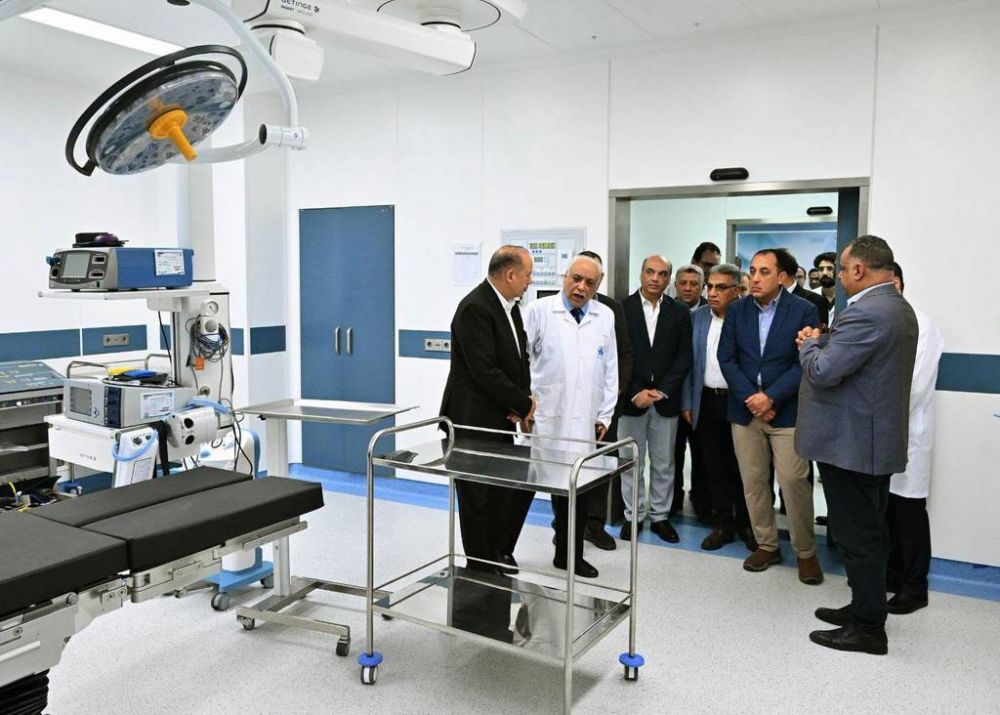
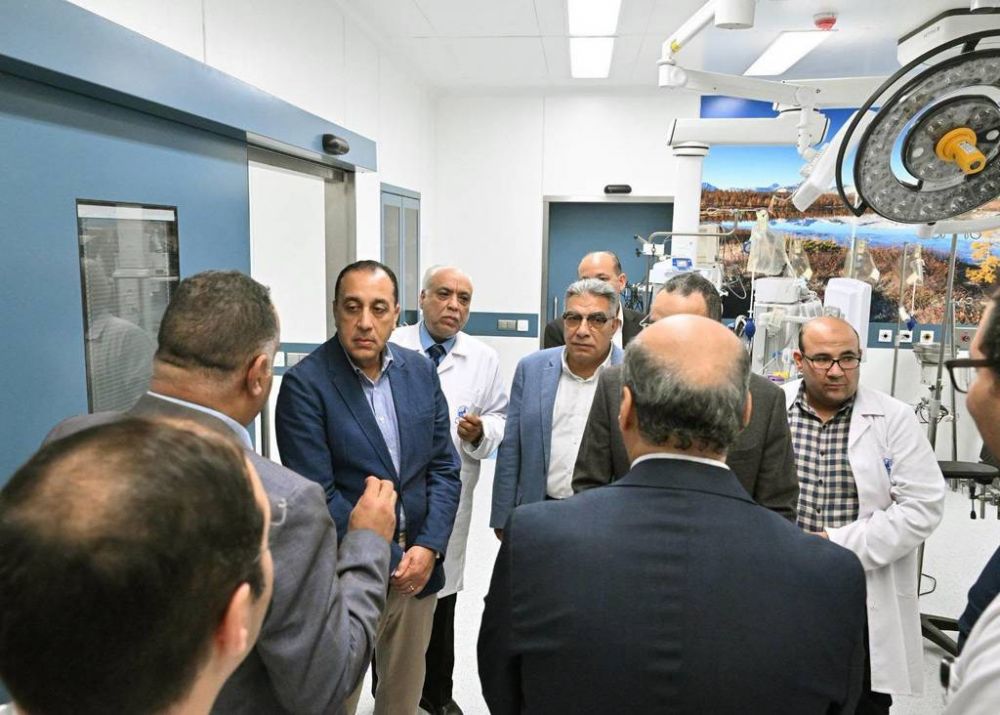
The Prime Minister and his entourage toured the center, accompanied by an explanation from Prof. Mohamed Abdel Wahab, a pioneer in liver transplantation. The supervisor of the liver transplant program at Mansoura University explained that the new liver transplant center building was built on an area of about 650 square meters, consisting of a ground floor and a mezzanine, in addition to 9 upper floors, as well as the roof dedicated to sterilization and technical services. The design of the building took into account achieving integration between the medical, diagnostic, surgical, administrative and service departments, which allows for providing the service to the patient within an integrated system that begins with reception and medical examinations, passing through surgical interventions and intensive care, and ending with accommodation and medical follow-up.
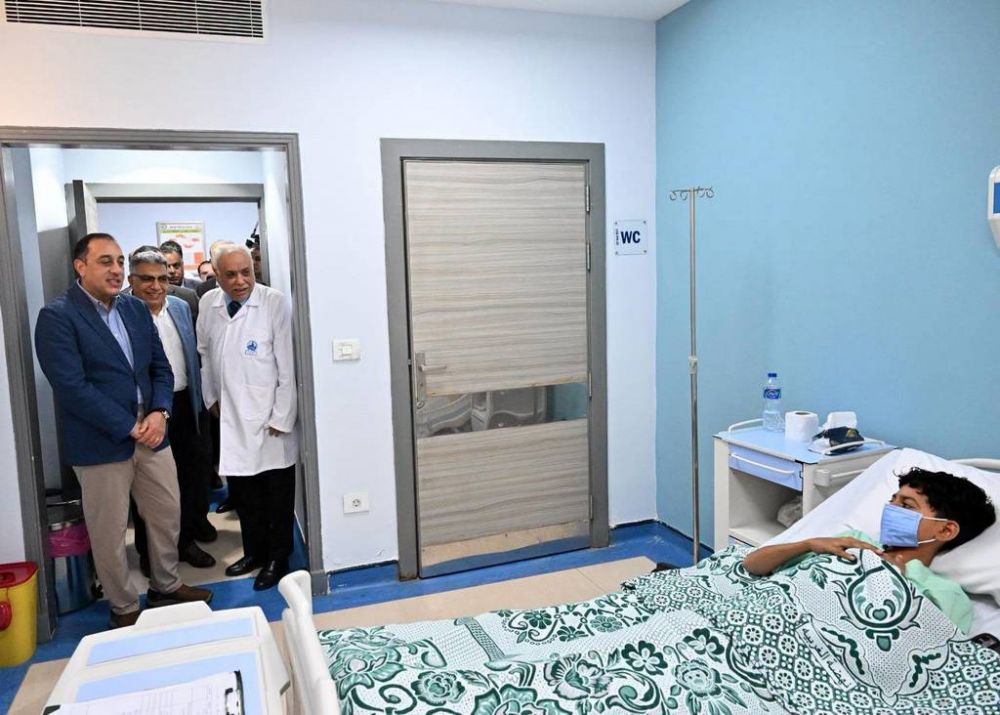
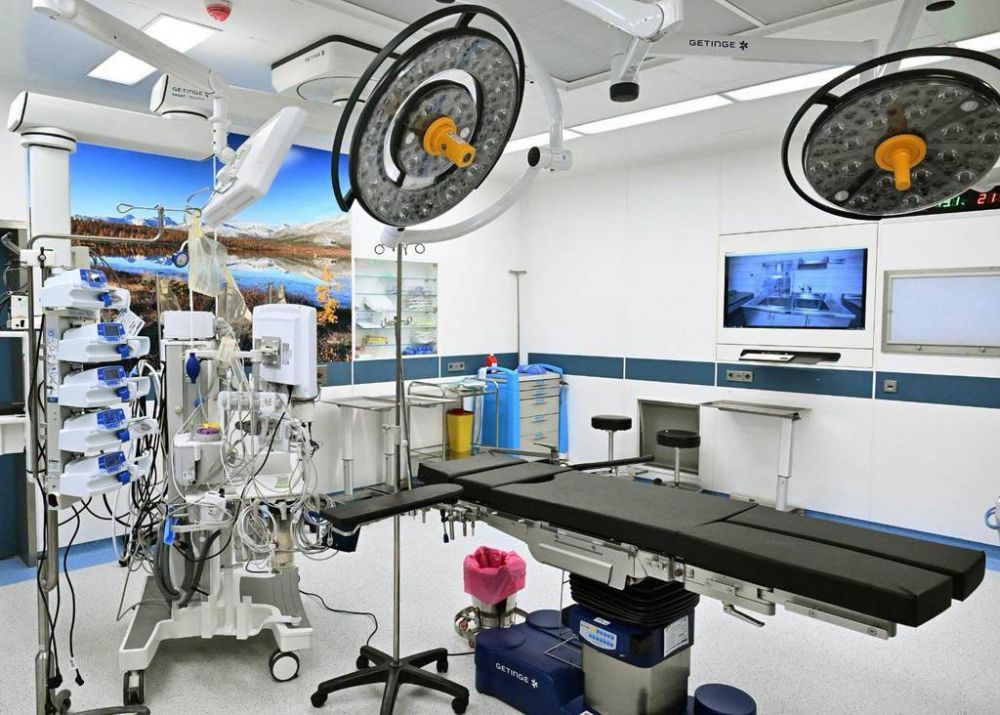
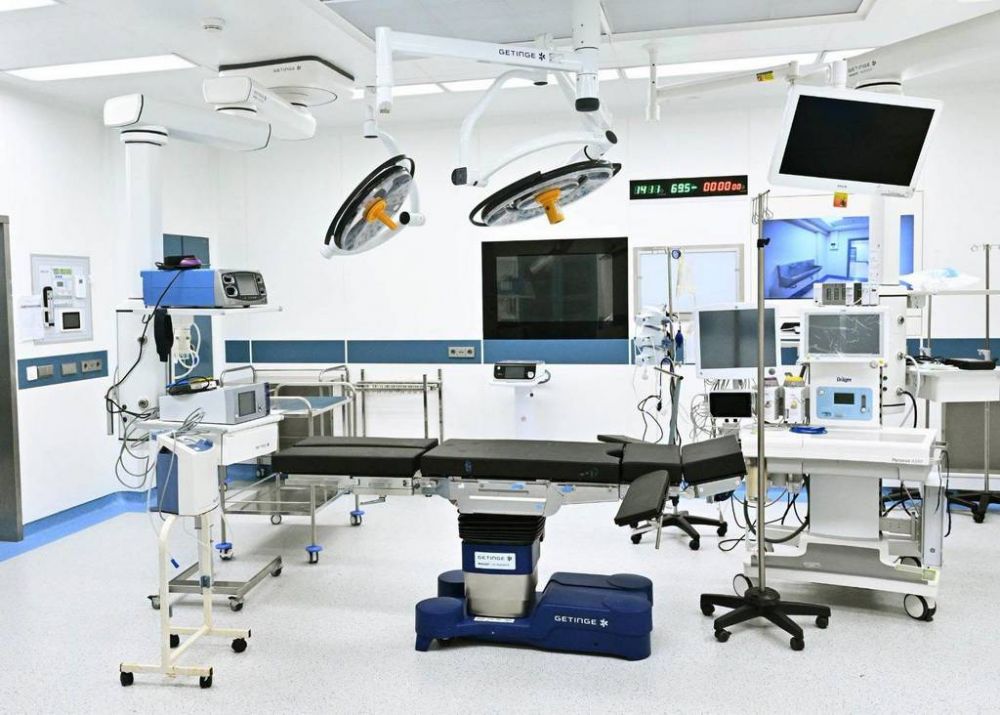
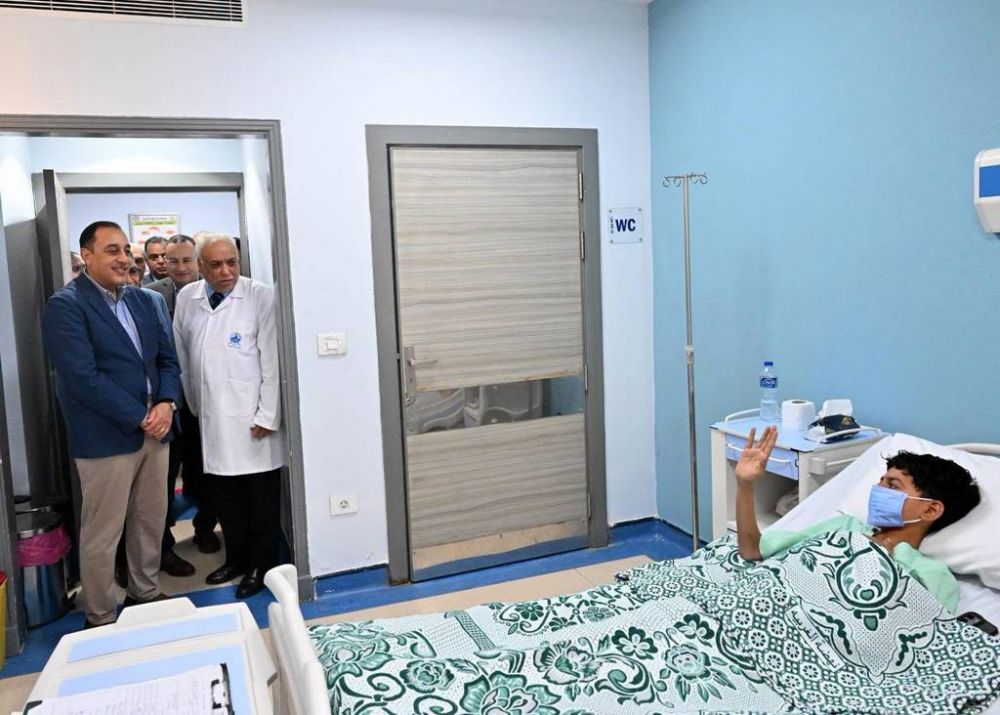
He added that the center includes 12 intensive care beds, comprising 11 intensive care beds and one isolation bed, in addition to three recovery beds and 35 patient accommodation units, distributed across 28 rooms and seven suites, along with three central operating rooms using a capsule system. These facilities provide comprehensive capacity for receiving patients, conducting examinations and surgical interventions, and offering intensive care, recovery, and inpatient services, thus supporting the expansion of liver transplant services and accommodating a larger number of cases. Prof. Mohamed Abdel Wahab explained that the components of the new center also include the outpatient clinics and diagnostic services department, which includes 7 medical clinics, an integrated system of medical and technological equipment that supports the various stages of service delivery, including CT scan, MRI, ultrasound and regular X-ray machines, medical analysis laboratories and endoscopy equipment, in addition to specialized equipment for operating rooms, intensive care, recovery and inpatient care, as well as doctors' lounges, nursing rooms and support facilities, and a number of administrative, educational and research components, including meeting rooms, the library, the medical archive, two teaching halls and doctors' offices. He added that the center also boasts a comprehensive infrastructure, including electrical systems, transformers, generators, uninterruptible power supplies, medical gases, central air conditioning, communication, alarm, and fire networks, information technology equipment, a central sterilization unit, and an infection control system. This infrastructure ensures seamless operation and supports the efficiency of medical services and patient safety. Regarding the medical achievements of the liver transplant program, Prof. Mohamed Abdel-Wahab, supervisor of the liver transplant program at Mansoura University, noted that the program has achieved remarkable medical milestones over more than 22 years. The total number of liver transplants performed by the program reached approximately 1,270 by November 2026, including Egyptian patients and 150 patients from Arab and African countries. In addition, 50 liver transplants have been performed on children. The center aims to increase the number of transplants performed from two to five per week, supporting the state's efforts to eliminate waiting lists and enhance Egypt's regional standing in this specialized medical field. He emphasized that these figures reflect the program's accumulated medical expertise and its ability to handle diverse cases and age groups, providing effective transplant services. The liver is treated according to specialized medical standards, which has strengthened its position as one of the most prominent specialized medical centers in this field at the regional and international levels.
He added that the liver transplant program at Mansoura University relies on a comprehensive, multidisciplinary medical team of 31 faculty members, including 12 surgeons, 7 anesthesiologists, and 6 hepatologists, in addition to specialists in medical analysis, tissue examination, and infection control. This ensures the integration of all necessary medical specialties for the various stages of liver transplantation, from case assessment and preparation of patients and donors, through the surgical intervention, to post-operative care and follow-up. He further stated, "The 12 surgeons possess advanced levels of competence and qualification, enabling each of them to independently lead and perform liver transplants and handle the various stages of the procedure with high efficiency. This level of qualification reflects a distinguished model for developing medical personnel, based on the transfer of expertise, knowledge exchange, and teamwork. The experienced surgeons have been keen to train and qualify younger generations without monopolizing their expertise, thus contributing to the preparation of a new generation of surgeons capable of independently leading liver transplant operations."
Prof. Ahmed Shehata, Director of the Gastrointestinal Surgery Center at Mansoura University, explained that the new center represents a significant step towards increasing the operational capacity of the liver transplant program. The center aims to perform five liver transplants per week, compared to two per week before its opening. This expansion seeks to increase the number of patients benefiting from the service, reduce waiting times for patients requiring surgical intervention, and accommodate patients from across Egypt, in addition to receiving a larger number of patients from neighboring Arab countries. He added, "The integration of diagnostic, surgical, intensive care, and inpatient departments contributes to supporting the medical care system before, during, and after surgery, especially since liver transplants, which rely on living relative donors, require sophisticated equipment and multidisciplinary medical teams." Dr. Shehata pointed out that the center provides liver transplant services to Egyptian patients free of charge, at the state's expense. The state allocates 400,000 Egyptian pounds to the center for each transplant case, ensuring that this delicate surgical intervention is available to eligible patients without them incurring the cost. The care provided extends beyond the surgical procedure to include lifelong medical and therapeutic follow-up for patients, as required. This includes regular checkups, specialized care, and continuous monitoring of the patient's health. He pointed out that the center also receives patients from Arab and African countries, offering various treatment options at affordable costs. This contributes to maximizing the economic benefit from the specialized medical services provided by the university. Receiving international patients is one aspect of the center's contribution to supporting medical tourism and maximizing the utilization of Egyptian medical expertise, as well as enhancing Mansoura University's position as a regional destination for liver transplantation.
The Director of the Gastrointestinal Surgery Center added that the center's role extends to supporting the medical education, training, and scientific research system by providing a specialized environment for qualifying medical personnel and developing their skills in the field of liver transplantation. The center aims to train doctors and medical staff on the latest liver transplantation techniques, support continuing medical education and training programs, and transfer expertise to Egyptian, Arab, and African professionals. It also supports scientific research and collaboration with specialized medical institutions and centers. Furthermore, the center's teaching and meeting rooms, library, and medical archive contribute to supporting educational and research activities and the exchange of expertise among specialists.
 View the embedded image gallery online at:
https://wwwold.mans.edu.eg/en/mans-news/mansoura-university-liver-transplant-center#sigProGalleria698d0bfecb


