



The Mansoura University Council for Education and Student Affairs discusses preparations for the new academic year and the development of the educational process
- Hits: 3
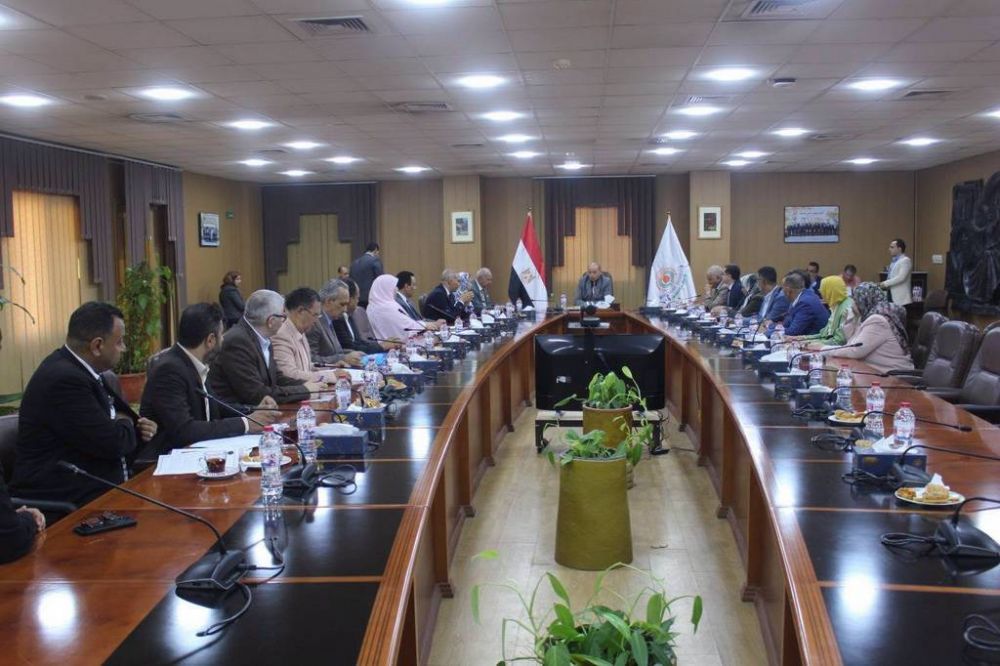
Chaired by Prof. Cherif Khater, President of Mansoura University
The Mansoura University Council for Education and Student Affairs discusses preparations for the new academic year and the development of the educational process
Facilitating student registration procedures, announcing summer semester results and class schedules before the start of the academic year
Ensuring the readiness of colleges and university dormitories, and fulfilling safety and accessibility requirements
Mansoura University prepares to participate in the 14th University Youth Week in Minya
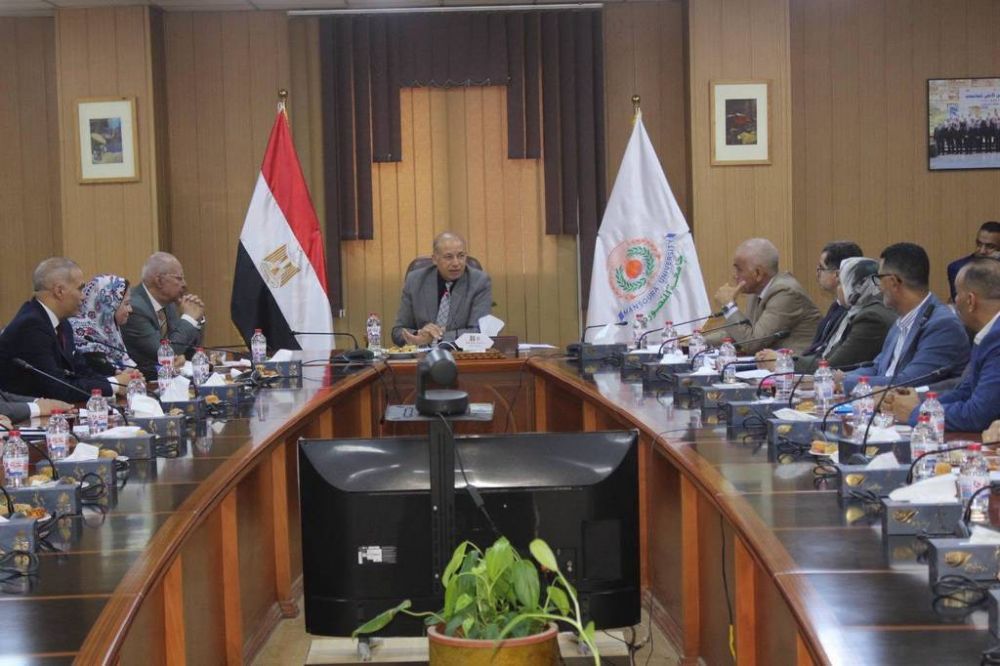
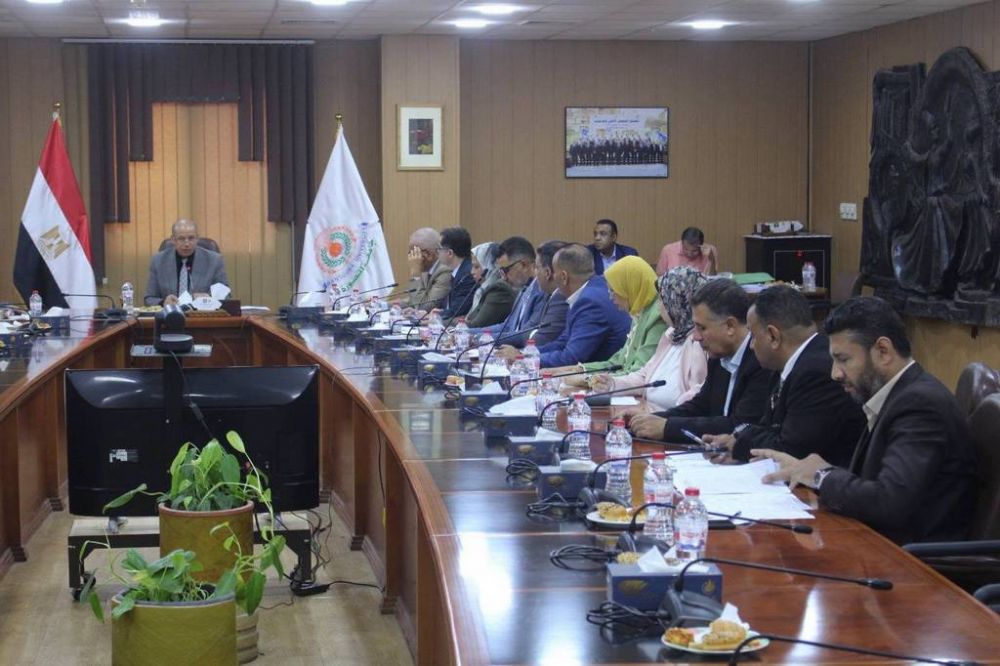
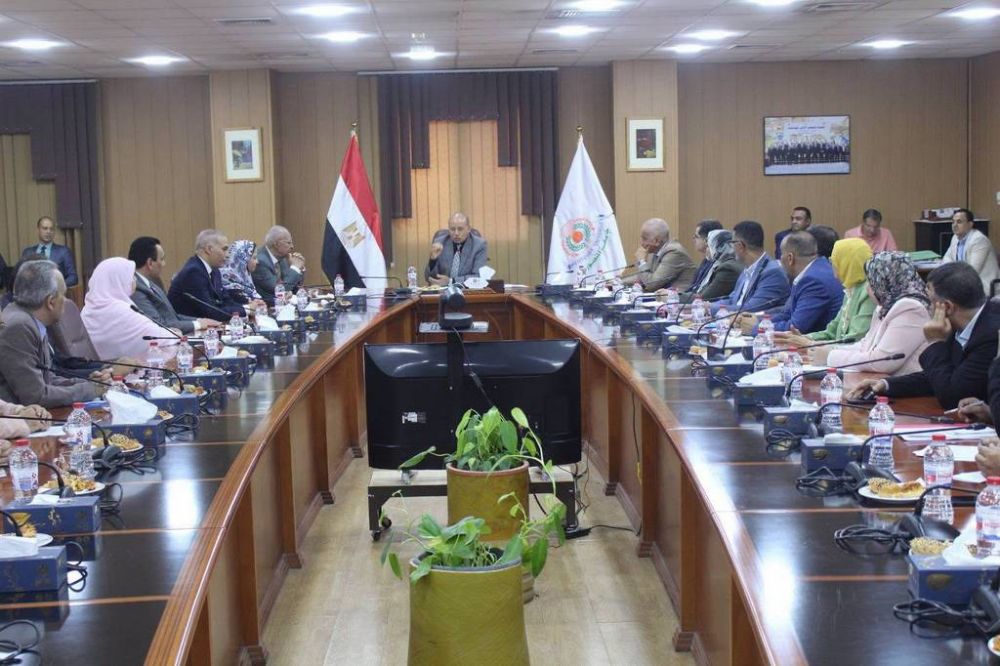
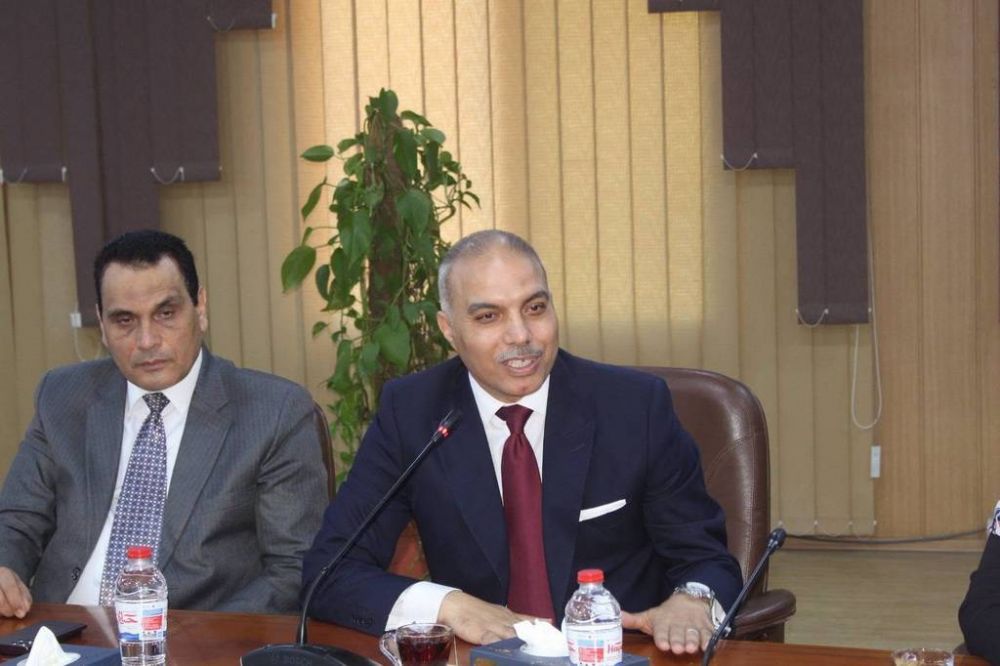
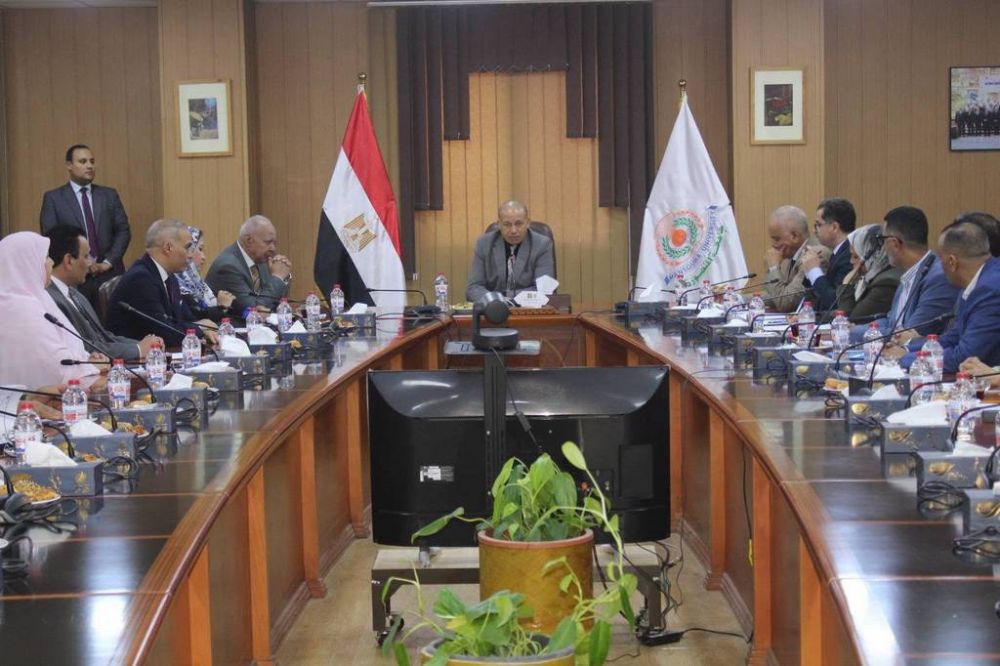
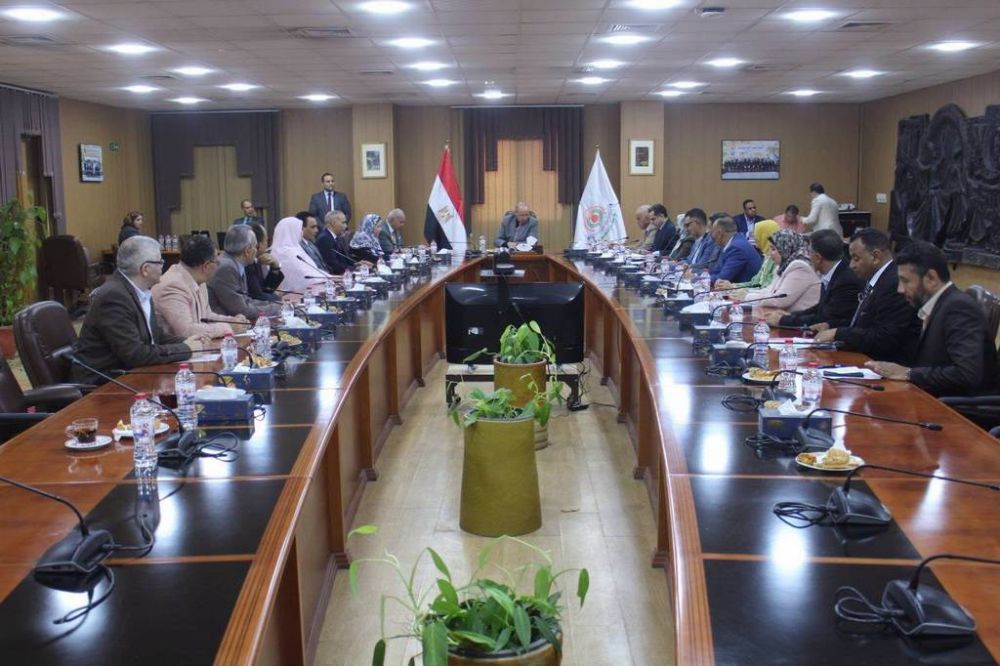
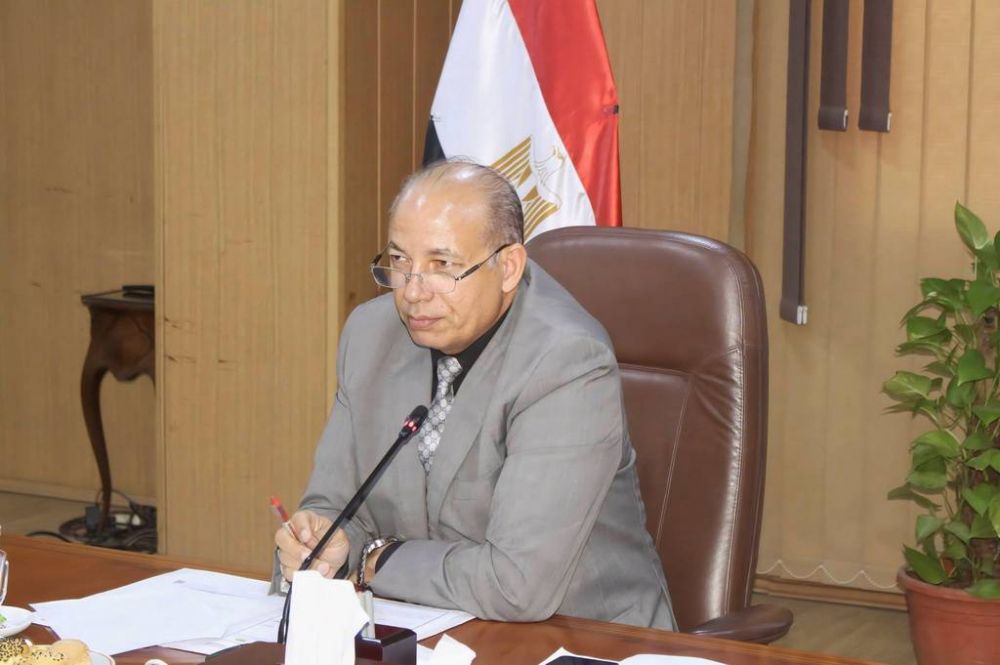
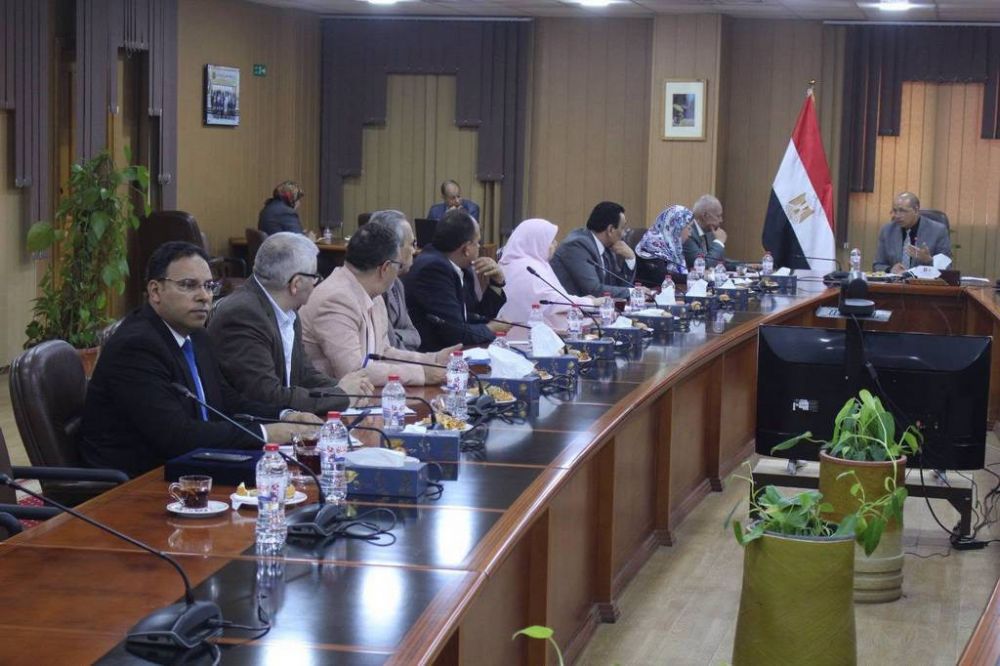
The Mansoura University Council for Education and Student Affairs held its 527th session on Monday, August 24, 2026, chaired by Prof. Cherif Khater, President of the University, and attended by council members, to discuss several issues related to developing the educational process and student affairs, and following up on early preparations for the 2026/2027 academic year. The council also reviewed coordination and admission procedures, student registration processes, plans for welcoming the new academic year, and student activities for the upcoming period.
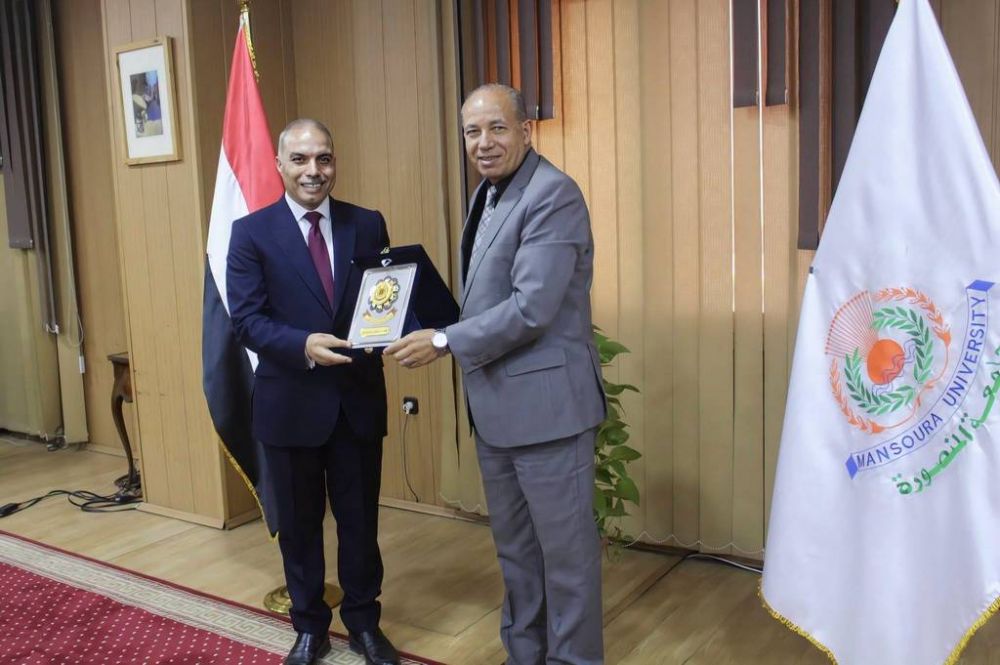
At the beginning of the meeting, Prof. Cherif Khater expressed his thanks and appreciation to the deans of the colleges; In recognition of their efforts during the summer semester, Prof. Cherif Khater expressed his gratitude to Prof. Tamer Saleh, the former Vice Dean of the Faculty of Law for Education and Student Affairs, on the occasion of the completion of his term. This was in appreciation of his efforts and contributions during his tenure, and his dedication to serving the Faculty and the University. He was presented with the Student Affairs Sector Shield in recognition of his contributions and efforts.
Prof. Khater welcomed Prof. Ibrahim Abdullah Abdul Raouf, the new Vice Dean of the Faculty of Law for Education and Student Affairs, and Prof. Fatima Shehata Ayed, the new Vice Dean of the Faculty of Early Childhood Education for Education and Student Affairs. He wished them success in their new roles and in continuing the development and advancement of the educational and student experience at the faculty.
Prof. Khater emphasized the importance of continuing to work in the coming phase according to a comprehensive vision aimed at developing the educational process, improving the level of services provided to students, and enhancing the quality of education, in line with the University's development and modernization strategies. The university president emphasized the need for early preparations for the start of the 2026/2027 academic year, including completing maintenance on lecture halls, laboratories, and classrooms, providing necessary materials and equipment for laboratories, and reviewing all facilities, equipment, and services. This is essential to ensure that colleges and university campuses are ready to receive students and provide a safe and suitable learning environment from the first day of classes.
He also stressed the importance of full compliance with occupational safety and health requirements, reviewing security and safety procedures within university facilities, and raising the level of preparedness to deal with any emergencies. Furthermore, he emphasized the need to consider accessibility requirements and provide a suitable university environment for students with disabilities, ensuring their easy access to and utilization of educational services and facilities.
The university president directed that early preparations be made for all matters related to the start of the new academic year, expediting coordination and admissions processes, facilitating the registration of new students, and announcing summer semester results to enable students to register for courses before the start of the academic year. He also emphasized the importance of finalizing and announcing the first semester class schedules to students before the start of the academic year and ensuring a welcoming environment for new students. This ensures the smooth operation of the educational process and student services from the first day of classes.
Prof. Cherif Khater emphasized the importance of regularly updating course syllabi and their descriptions to keep pace with scientific and specialized developments and the needs of the job market. He directed that course descriptions be updated according to the National Authority for Quality Assurance of Education's model before the start of the academic year. This will support the development of the quality of the educational process and enhance the efficiency of educational outcomes.
The university president also directed the organization of seminars and educational exhibitions for new students in the university's faculties to introduce them to specialized programs. He further directed the organization of orientation sessions about the faculties, Mansoura University, and its local and international standing. This will help familiarize students with their university environment and the educational opportunities available to them from the moment they enroll.
He stressed the necessity of finalizing the student activities plan for the first semester of the 2026/2027 academic year well in advance. He emphasized the importance of expanding the implementation of cultural, artistic, sports, social, and scientific programs, as well as programs aimed at developing students' skills, refining their talents and abilities, enhancing their participation in university life, and instilling national awareness. This will contribute to building well-rounded students capable of positive participation and serving the community. In this context, the Council reviewed Mansoura University's preparations for participating in the 14th University Youth Week in Minya, and the arrangements for student participation in various events and activities. This aims to enable students to benefit from these opportunities, showcase their talents and abilities, and reinforce the values of competition, teamwork, belonging, and national awareness.
The Council also discussed the organization of tuition and student service fee payments, emphasizing the importance of streamlining procedures, increasing service outlets, and ensuring clear information and procedures for students. This will facilitate transactions related to educational and student services.
In preparation for welcoming new students, the Council stressed the importance of familiarizing them with the services offered by the university, including: the Student Affairs Department, the Student Welfare Department, the Student Hospital, the University Career Development Center, the Center for the Care of Innovators and Gifted Students, the Center for Services for Persons with Disabilities, and the Social Solidarity Fund. This will ensure students are aware of the various services and support available to them throughout their university journey.
In the academic files, the Council approved the proposed internal regulations for the "Fashion Design Teacher Preparation" and "Applied Nutrition Teacher Preparation" programs at the Faculty of Specific Education, both based on the credit-hour system. This approval followed the incorporation of feedback from the Educational Studies Sector Committee of the Supreme Council of Universities, paving the way for their submission to the University Council for final approval.
The Council also approved the proposed internal regulations for the "Accounting and Business Analysis" program at the Faculty of Commerce, to be offered in both Arabic and English, in preparation for the program's launch.
The Council approved the adoption of the "Social Issues" course modules, effective from the 2026/2027 academic year, and their implementation across all university faculties. This aims to standardize the course's teaching framework, strengthen the connection between education and societal issues, and enhance student awareness of these issues.
Furthermore, the Council approved the proposal to establish a central academic advising unit at the university and its internal regulations, alongside the existing academic advising units in the faculties. This will contribute to establishing an institutional framework for the academic advising system and developing mechanisms for monitoring students' academic progress. The matter will be presented to the University Council for approval. The council was briefed on the regulations for approving interdisciplinary undergraduate programs, as issued by the Supreme Council of Universities, and the matter was referred to the university council to finalize the necessary procedures.
The council also discussed the procedures for internal specialization within faculties for the 2026/2027 academic year, in addition to setting the minimum requirements for opening courses under the credit-hour system. This aims to support the efficient organization of the educational process and the optimal utilization of educational resources and capabilities.
 View the embedded image gallery online at:
https://wwwold.mans.edu.eg/en/mans-news/mansoura-university-education-students-council#sigProGalleria08c01d05f8


